


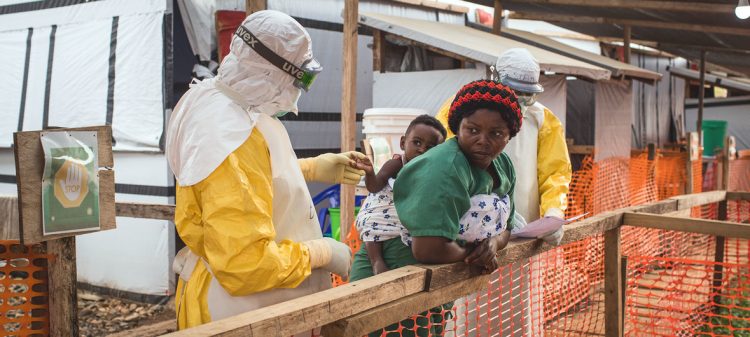
A total of 2006 people have been killed by the Ebola virus and 2899 others have been infected in the Democratic Republic of Congo (DRC), the national multi-sectoral Congolese Ebola Response Committee said on Friday, as United Nations Secretary-General Antonio Guterres arrived in Beni from Goma on Sunday.

Guterres, who said he came to evaluate the international response on Ebola, was due to visit an Ebola treatment centre in the conflict-hit city and head to Mangina, the epicentre of the 10th Ebola outbreak in eastern DRC, which is located 30 km south-west of Beni.

The UN Secretary-General is accompanied in this trip, among others, by World Health Organization (WHO) Director-General Dr Tedros Ghebreyesus, WHO Regional Director for Africa Dr Matshidiso Moeti and Dr Mike Ryan, WHO Executive Director for Health Emergencies Programme.
The mounting casualties seem to be overshadowing the hope and optimism that followed the newly-found cure, which the international community now believes is not enough to strike a heavy blow to the virus.
“The importance of these new treatments and the continued roll-out of vaccines are not to be underestimated. But alone they are not enough. Now is the time to double down on efforts to engage at-risk communities,” International Federation of Red Cross and Red Crescent Societies (IFRC) health and care director Dr Emanuele Capobianco said.

“For the treatments to work, people need to trust them and the medical staff who administer them. This will take time, resources and a lot of hard work,” he added.
As the infections toll nears 3 000, the WHO on Friday called on all its partners to increase their presence in the field to stop Ebola, and to address one of the largest and most complex humanitarian crises in the world.
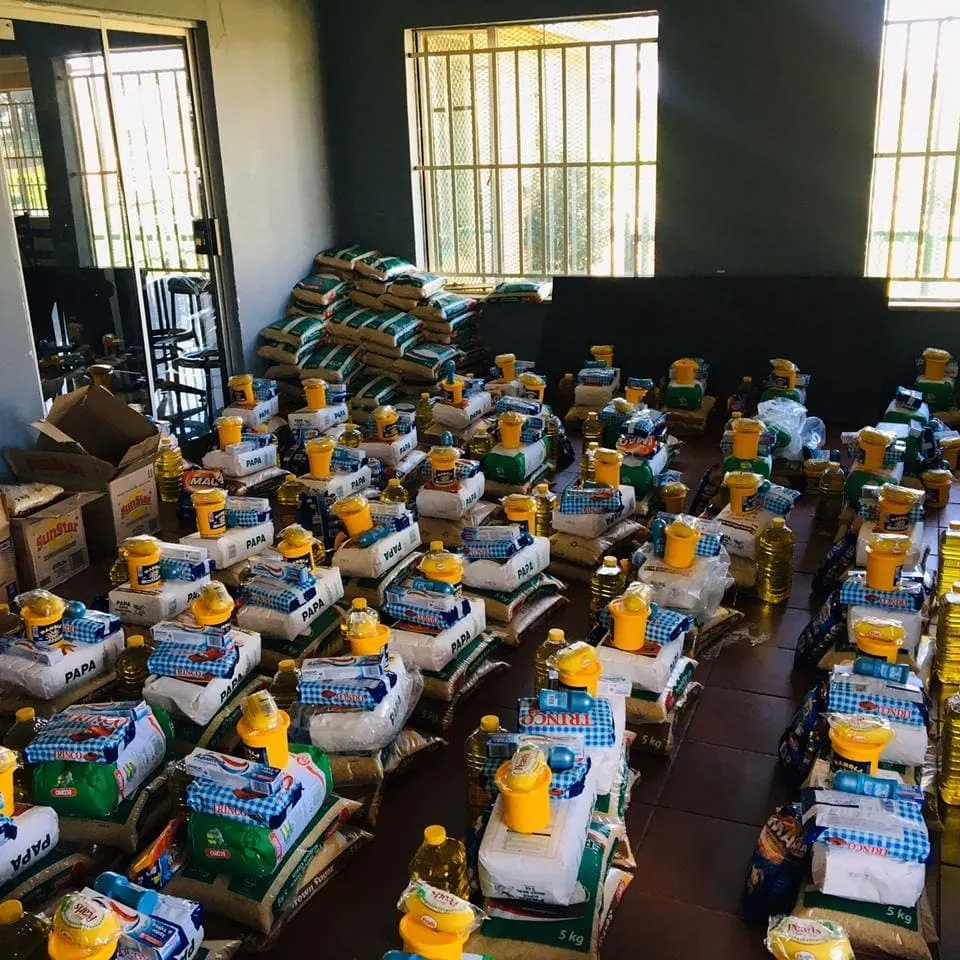
More than two decades of armed conflict in the eastern DRC, fought mostly over the control for mineral resources, has displaced four million people and generated the world’s second largest food crisis with 13 million people now food insecure.














Leave a Reply