


The world has become a nest of protests lately. From Asia to Europe, Africa and Latin America, people are voicing their discontent about matters ranging from climate change to inequality, lack of opportunities, human rights abuses, violent crime and dictatorship.

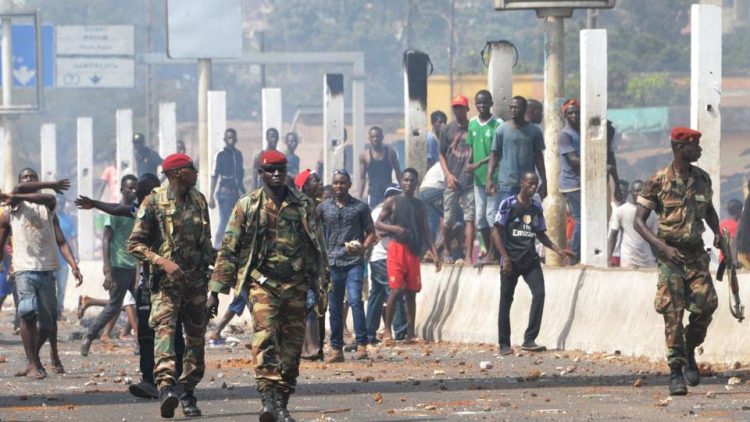
Some of these protests have been deadly, as security forces keen to protect corrupt governments from collapsing, shot at protestors with live ammunition without anyone lifting a finger.

In Guinea-Conakry, opposition supporters took to the streets to protest against an eventual third, unconstitutional term in office of President Alpha Conde. Hong Kong, Iraq and Lebanon also have erupted, so have Egypt, Algeria, Bolivia, Chile, and Ecuador. Europe has seen a wave of environment-conscious people protesting against major powers’ inaction on climate change.
Speaking to reporters at the United Nations headquarters in New York, UN secretary general António Guterres said these protests showed that people were hurting and wanted to be heard by political leaders who must now address a growing deficit of trust.
“People want a level playing field, including social, economic and financial systems that work for all”, together with respect for their human rights and a real say in decisions that affect them,” Guterres added.
“I urge leaders everywhere to listen to the real problems of real people. Our world needs action and ambition, to build fair globalisation, strengthen social cohesion and tackle the climate crisis.”

There are common underlying factors which constituted rising threats to the social contract between citizens and the political class, he pointed out.
No excuse for violence
The UN chief said he was deeply concerned that some protests had turned violent and lead to loss of life.
“Governments have an obligation to uphold free expression and peaceful assembly, and to safeguard civic space,” he said.













Leave a Reply