

Daily Afrika News
Advertisement
  • Home
  • News
    • South Africa
    • World
    • Africa
    • Entertainment
    • Green
    • Health
  • Elections 2019
  • Voices
    • Columnists
    • Books
  • Business
    • Markets
    • Personal Finance
    • Economy
    • Opinion
    • Small Business
    • FinWeek
  • Sport
    • News
    • Rugby
    • Cricket
    • Soccer
    • Golf
    • Tennis
    • Formula1
    • Other Sport
    • Super Sport
  • Lifestyle
    • Health
    • Women
    • Motoring
    • Food
    • Entertainment
    • Parent
    • TrueLove
    • Travel
  • Video
    • All Video
    • South Africa
    • Entertainment
  • Focus
    • Underworld Unmasked
    • Mandela100
    • Cyril100
    • Zimbabwe
    • Aids Focus
    • Good News
    • Competitions
  • Jobs
  • Property
No Result
View All Result
Dailyafrika.com
  • Home
  • News
    • South Africa
    • World
    • Africa
    • Entertainment
    • Green
    • Health
  • Elections 2019
  • Voices
    • Columnists
    • Books
  • Business
    • Markets
    • Personal Finance
    • Economy
    • Opinion
    • Small Business
    • FinWeek
  • Sport
    • News
    • Rugby
    • Cricket
    • Soccer
    • Golf
    • Tennis
    • Formula1
    • Other Sport
    • Super Sport
  • Lifestyle
    • Health
    • Women
    • Motoring
    • Food
    • Entertainment
    • Parent
    • TrueLove
    • Travel
  • Video
    • All Video
    • South Africa
    • Entertainment
  • Focus
    • Underworld Unmasked
    • Mandela100
    • Cyril100
    • Zimbabwe
    • Aids Focus
    • Good News
    • Competitions
  • Jobs
  • Property
No Result
View All Result
Dailyafrika.com
No Result
View All Result
 
Home Voices Columnists

Why Sidama statehood demand threatens to unravel Ethiopia’s federal system

Those pushing for statehood contend that the size of the Sidama population, which is about 4% of Ethiopia’s total population, should empower it to have its own regional state.

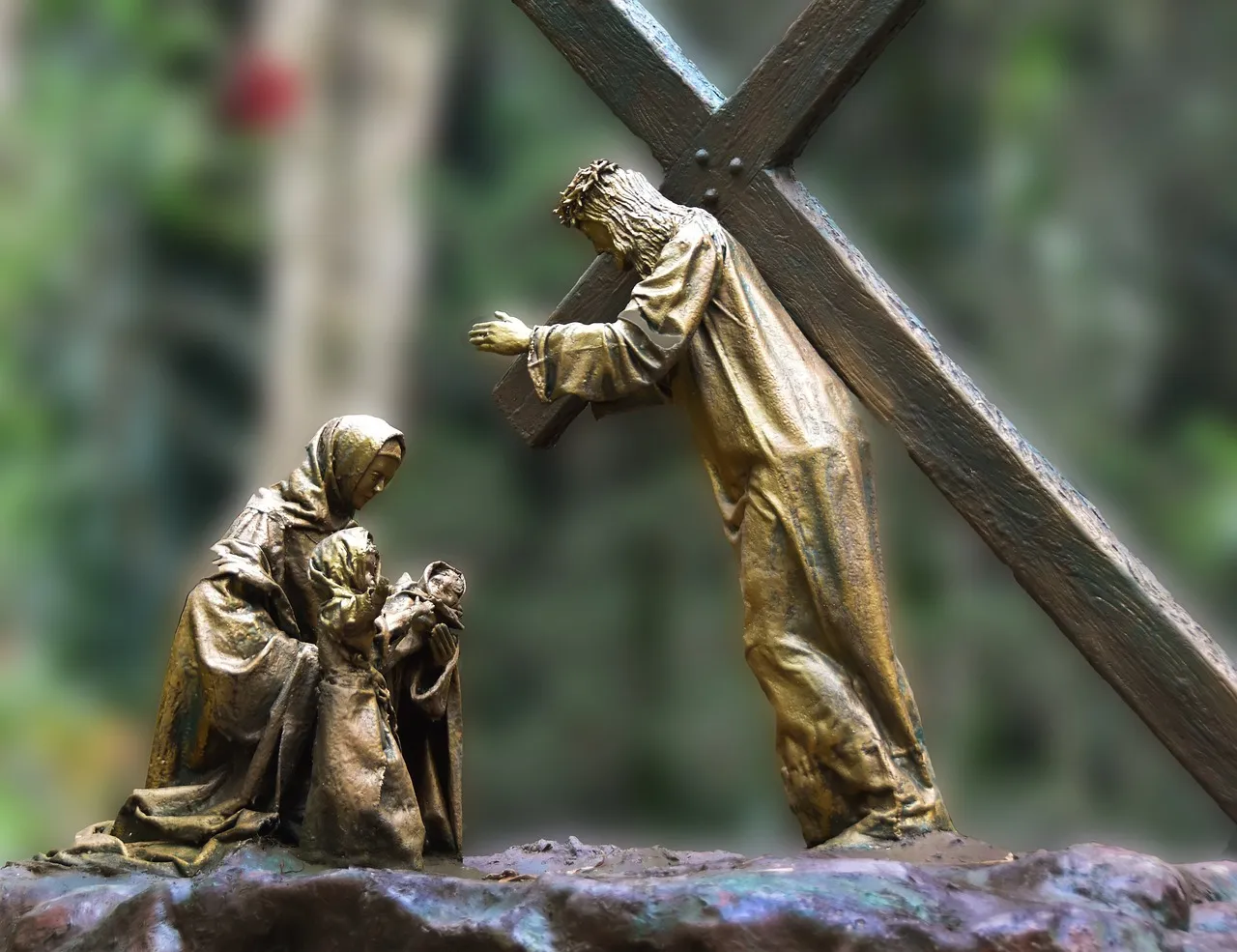
The thread that holds Ethiopia together could be unravelling. Stephen Morrison/EPA

The thread that holds Ethiopia together could be unravelling. Stephen Morrison/EPA

by Yahannes Gedamu August 13, 2019
Related Articles
OPINION: Why Highlands Park can lift the MTN8 trophy against SuperSpor
Mugabe is dead, but old men still run southern Africa
Robert Mugabe: as divisive in death as he was in life
Ethiopia government can no-longer protect its citizens

Ethiopia’s ethnic federal arrangement was designed to empower ethnic groups with the right to self-administration rights. But it’s facing a major test. The current challenge comes from the Sidama ethnic group from a region commonly known as the Southern Ethiopia Regional State.
Ethnic Sidamas have been granted self administrative rights by controlling political powers in the Sidama Zone administration. Zone administrations are the second tier of Ethiopia’s local government structure, just after regional states. But those pushing for statehood contend that the size of the Sidama population, which is about 4% of Ethiopia’s total population, should empower it to have its own regional state.

This demand is two decades old. It has gained new momentum over the past year following political changes that swept through the country and led to the rise of Abiy Ahmed as prime minister, a reformist who remains highly popular thanks to his pro-unity stance.

Ethiopia’s Prime Minister Abiy Ahmed with his murdered army chief Gen. Mekonnen

Ethnic federalism, as institutional design, has its backers and its detractors. Those who defend the system argue that its failures are because it hasn’t been implemented in the way in which it was designed. They contend that local governments are stripped of their constitutional powers, thanks to a dominant central government that interferes in regional affairs.

But those who oppose the system argue that it pits one group against the other. They point to the fact that Ethiopia has a very large number of internally displaced people due to numerous ethnic conflicts. Although its framers believed that the federal arrangement could promote unity in diversity, those who oppose it believe that internal displacements have occurred mainly because some groups want to homogenise the regions they administer. They also argue that the rise of ethno-nationalist movements are evidence that the federal arrangement is unravelling.

The Sidama demand for statehood presents one of the greatest challenges Ethiopia’s federal system has faced since its inception in 1995. It has already led to violence after the federal government announced it was delaying a referendum to settle the secession demand. But it poses a much bigger threat: if Abiy gives into the Sidama’s demands, he could signal the unravelling of Ethiopia’s federal system of government.

Here is why. Sidama’s secession from the Southern regional state would end the region’s status as a symbol of Ethiopian unity and would come at the most trying and divisive times in the country’s history. Such a decision will also pave the way for more Southern groups to push with similar quests for statehood.

The Sidama secession debacle is another example of the fact that a constitution that has prioritised the promotion of group rights over individual rights is under strain. In my view, the solution remains that of political compromise followed by a constitutional reform that guarantees all Ethiopian ethnic groups and citizens equal rights to live, work and prosper across the country.

Background

After the fall of the military regime in 1991, the provisional government charter created 14 regions that established Ethiopia’s new federal order. But a year later when the country’s new constitution was ratified, the governing Ethiopian People’s Revolutionary Democratic Front made some major changes. The biggest was that it consolidated five of the transitional era regions from the Southern part of the country into just one regional state. This was named Southern Nations Nationalities and Peoples Region, although commonly referred to as Southern Ethiopia regional state.

The effects of this decision continue to be felt. The one consequence was that it sowed the seeds of disaffection among the Sidama. Another is that the Sidama secession from the Southern region would massively affect the ruling party. This is because the Southern Ethiopia Peoples Democratic Movement is one of the four members that form part of the ruling Ethiopian People’s Revolutionary Democratic Front. Sidama’s secession would weaken the voting capacity of Southern Ethiopia Peoples Democratic Movement at the federal level. This could worsen if other groups in the south follow the Sidama example. This, in turn, would weaken the ruling democratic front.

This goes to explain Abiy’s responses. His administration seems to have controlled a situation that had the potential to trigger a nationwide disaster.

Abiy and the National Electoral Board of Ethiopia, which was mandated to organise and hold the referendum for Sidama’s statehood demand, tactfully delayed the decision. This appears to reinforce Abiy’s conviction that the country’s federal order and national unity need to be maintained, at least until the constitution is reformed.

Abiy’s actions are not without a recent precedent. A few months after he assumed office, the Somali region, which was led by Abdi Ile, with the help of his trusted Liyu (special in Amharic) Police, had attempted to force the regional parliament to discuss secession. Abiy ordered the Ethiopian army, then led by the late Chief of Staff General Seare Mekonnen to step in. The army foiled the regional President Abdi Mohammed Iley’s plans and subsequently put him in jail. Immediately, a new Somali regional administration was established with Mustafe Oumer, a popular former Somali activist at its helm. Since then, the Somali region has been relatively stable.

The fact that the situation seems calmer does not mean the political tension is over. Such political challenges indicate that Ethiopia’s federal arrangement remains extremely vulnerable.

There’s still a great deal of work to be done. Abiy’s government must make sure some of the most serious issues of disagreement are sorted once and for all. And the issue of constitutional reform needs to be addressed. The only outcome that will ensure Ethiopia steers away from imploding is if self-administration rights – whether in the form of statehood demands or merger with other regions – are respected. But with the country’s constitution as a guideline.

Yohannes Gedamu is Lecturer of Political Science, at Georgia Gwinnett College

AbiyEthiopiaSidama
Previous Post

Leading West African singer DJ Arafat dies in road crash

Next Post

How the search for football’s next big thing is fuelling modern-day slave trade

Yahannes Gedamu

Related Posts

OPINION: Why Highlands Park can lift the MTN8 trophy against SuperSpor

OPINION: Why Highlands Park can lift the MTN8 trophy against SuperSport United
by Phumzile Ngcatshe
05 October, 2019

SOWETO – With this year’s eagerly anticipated MTN8 final set to be decided and new champions waiting to be crowned...

Mugabe is dead, but old men still run southern Africa

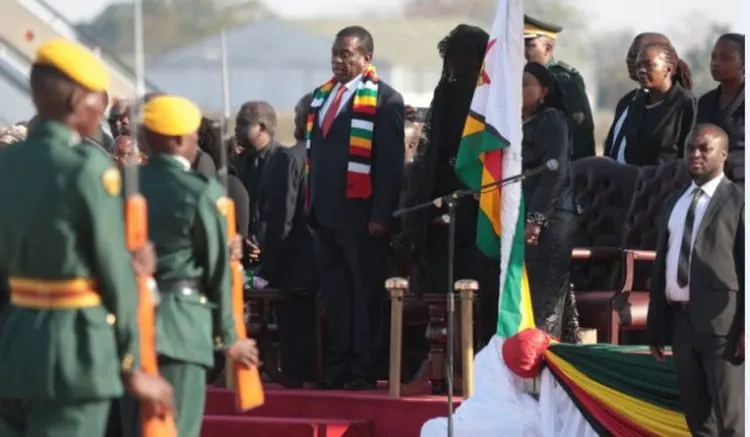
Zimbabwean President Emmerson Mnangagwa at the funeral of his predecessor, Robert Mugabe. EPA-EFE/Aaron Ufumeli
Columnists
by Daily Afrika Opinion, contributors
19 September, 2019

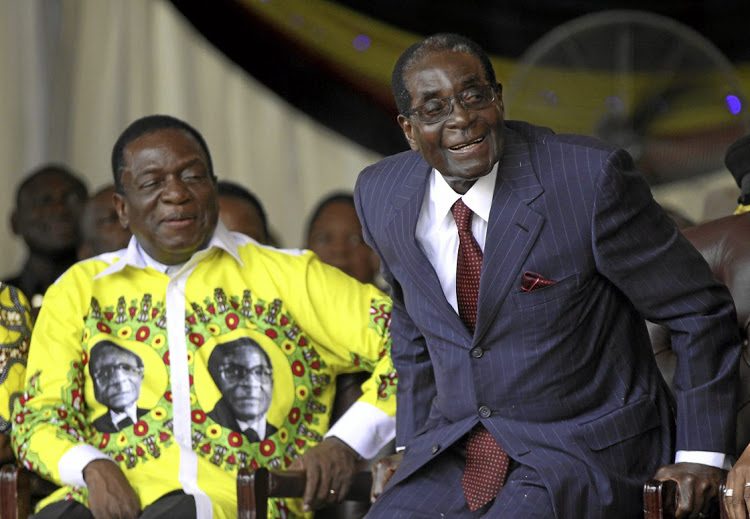
The death of Robert Gabriel Mugabe (95) saw another of the first-generation leaders of newly independent southern African states leave...

Robert Mugabe: as divisive in death as he was in life

Zimbabwe’s Mugabe still in Singapore hospital since April – Mnangagwa
Columnists
by Daily Afrika Opinion, contributors
16 September, 2019

Robert Mugabe, the former president of Zimbabwe, has died. Mugabe was 95, and had been struggling with ill health for some...

Ethiopia government can no-longer protect its citizens

The thread that holds Ethiopia together could be unravelling. Stephen Morrison/EPA
Columnists
by Daily Afrika Opinion, contributors
16 September, 2019

Meskerem is the first month in Ethiopia’s unique 13-month calendar. Ethiopia celebrates its New Year on the first day of Meskerem, which falls...

Xenophobia: time for cool heads to prevail in Nigeria and South Africa

Xenophobic attacks - Daily Afrika
Columnists
by Daily Afrika Opinion, contributors
10 September, 2019

Nigeria also boycotted the recent World Economic Forum (WEF) meeting in Cape Town. More critical was the temporary closure of...

Aircastle Ltd leases planes to South African Airways but pays no tax t

South_African_Airways_progress
Business
by Daily Afrika Opinion, contributors
10 September, 2019

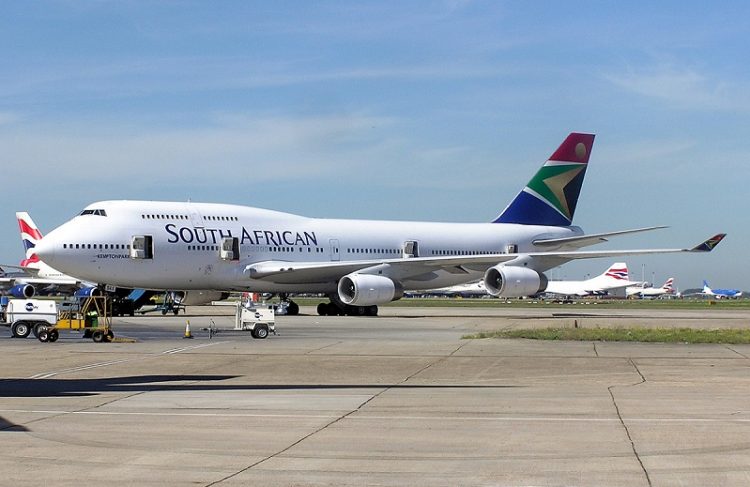
Aircastle Ltd. is not a household name, but if you’ve flown on South African Airways, KLM, or any of more...

Next Post
Beninese children play football in Bohicon. shutterstock

How the search for football’s next big thing is fuelling modern-day slave trade

Leave a Reply Cancel reply

Your email address will not be published. Required fields are marked *

Quick news

UMEH Group Limited Completes Merger with DafriGroup PLC ...

UMEH Group Limited Completes Merger with DafriGroup PLC 

DafriBank Saves The Day on Twitter...

DafriBank Saves The Day on Twitter

The Word’s First Coronavirus Vaccine Is Here...

The Word’s First Coronavirus Vaccine Is Here

DafriGroup Plc Announced Its Digital Banking Ambition; DafriBank, A su...

DafriGroup Plc Announced Its Digital Banking Ambition; DafriBank, A sustainable platform for all digital problems.

Most Popular

UMEH Group Limited Completes Merger with DafriGroup PLC ...

UMEH Group Limited Completes Merger with DafriGroup PLC 

DafriBank Saves The Day on Twitter...

DafriBank Saves The Day on Twitter

The Word’s First Coronavirus Vaccine Is Here...

The Word’s First Coronavirus Vaccine Is Here

DafriGroup Plc Announced Its Digital Banking Ambition; DafriBank, A su...

DafriGroup Plc Announced Its Digital Banking Ambition; DafriBank, A sustainable platform for all digital problems.
https://www.valr.com/invite/VAG38ZL3
  • About
    • Contact us
    • Privacy Policy
    • About Us
  • Useful Links
    • Markets
    • Personal Finance
    • Economy
    • Opinion
    • Small Business
    • Fin Week
  • Sister Brands
    • FX Magazine
    • MLM Magazine
    • Crypto Magazine
    • PlusSize Africa
    • Women With Class
    • DJ Mag Africa
  • Affluent Series
    • Affluent
    • Affluent Africa
    • Affluent TV
    • Affluent Radio
    • Affluent Sport

Published by UMEH Media All right reserved.

News, analysis, opinions, sports, question and discussion – as a people and as a continent – with the rest of the world, especially the Western world, in ways cultural, economic, political, social, psychological or historical. Daily Afrika is managed by an African crew, with a network of mostly African writers across the continent and in the diaspora. Developed By: DeDevelopers
  • Home
  • News
    • South Africa
    • World
    • Africa
    • Entertainment
    • Green
    • Health
  • Elections 2019
  • Voices
    • Columnists
    • Books
  • Business
    • Markets
    • Personal Finance
    • Economy
    • Opinion
    • Small Business
    • FinWeek
  • Sport
    • News
    • Rugby
    • Cricket
    • Soccer
    • Golf
    • Tennis
    • Formula1
    • Other Sport
    • Super Sport
  • Lifestyle
    • Health
    • Women
    • Motoring
    • Food
    • Entertainment
    • Parent
    • TrueLove
    • Travel
  • Video
    • All Video
    • South Africa
    • Entertainment
  • Focus
    • Underworld Unmasked
    • Mandela100
    • Cyril100
    • Zimbabwe
    • Aids Focus
    • Good News
    • Competitions
  • Jobs
  • Property