


Laikipia – The African continent is known around the world for its diversity in flora and fauna, and animal conservation has been an important policy here.

However, a thriving black market is threatening all this, in fact, several species in Africa are near extinction, this has forced the authorities to take strong measures to prevent poaching.

National parks and centuries are abundant and park rangers are now being equipped with weapons as well. Yet, the poaching continues.
Now, African conservationists are turning to technology in their fight.
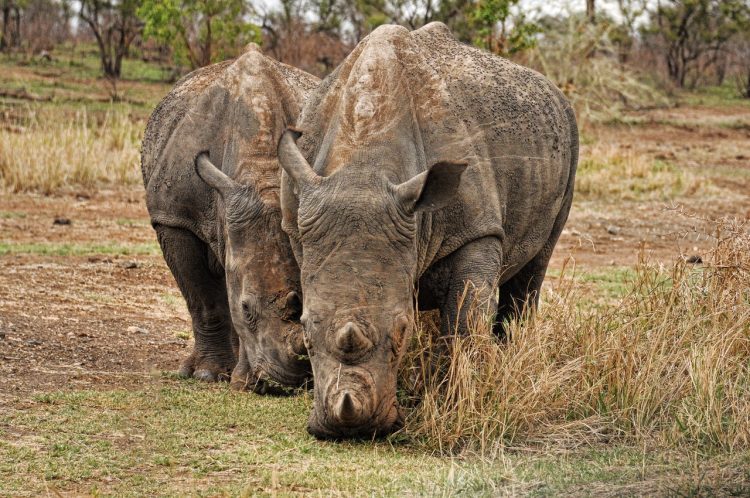
Kenya’s Laikipia plateau, home to the Ol Pejeta a private conservation centre responsible for the safekeeping of the last two Northern White Rhinos left on the planet. In addition to these Rhinos, the centre care for several species rescued from poachers.
The last poaching incident was in October of 2017 at the Meru National Park also located on Mount Kenya, here authorities found 3 dead rhinos whose horns were missing.

To ensure that this never happens again, technology is making inroads.
The Park has cameras scanning the perimeter and relaying footage at the headquarters. In fact, a month ago, the park added to itself a wildlife tech lab. Located within the sanctuary in a modified and fitted ship container, animal tracking chips are the most tested devices. Work is on to develop chips that can be fit into the horn of a Rhino. This will help to track the Rhino real time. These chips can be used for not just the animals, but also the rangers, and for tracking their health levels.
Damian Otieno an IT engineer who is leading this initiative at the Ol Pejeta park says, “No one else in the conservation space in Kenya is testing this… For me, that was very exciting.”
The Ol Pejeta centre is a lot more technologically advanced. They are equipped with digital dashboards that show damage to the fences, security breaches, sightings of lions, locations of the rangers, etc. It even shows when an arrest has been made. In the case of a poacher alert, it immediately caters to deploying armed rangers.
Other parks around Africa are also attempting to use such technologies. WWF backed by Google also worked on a program until 2017. However, the problem begins and ends with financial resources which are extremely limited.
















Leave a Reply