


Bamako – Despite facing dangers of all sorts, including death, kidnapping and rape, aid workers across war-torn Mali continue doing what they like doing best: bring humanitarian assistance to millions of needy people who were forced to flee their homes and are currently living in precarious conditions.
The armed conflict in Mali, a gold and cotton-rich West African desert nation, has claimed thousands of lives and driven nearly 260 000 people from their homes, including 120 067 internally displaced persons (IDPs) and 138 433 refugees currently living in Burkina Faso, Mauritania and Niger, according to May 2019’s UNHCR and government figures.

Most of the armed conflict has been happening in the centre and in the north, where jihadists regularly stage deadly against security forces, peacekeepers and civilians. Inter-ethnic conflicts have also skyrocketed in the past year, driving thousands of women and children and elderly people to seek safety deep inside the harsh wilderness.
This is the first part of an exclusive story of two Malian aid workers who braved danger to stay alive and continue helping their fellow human beings.
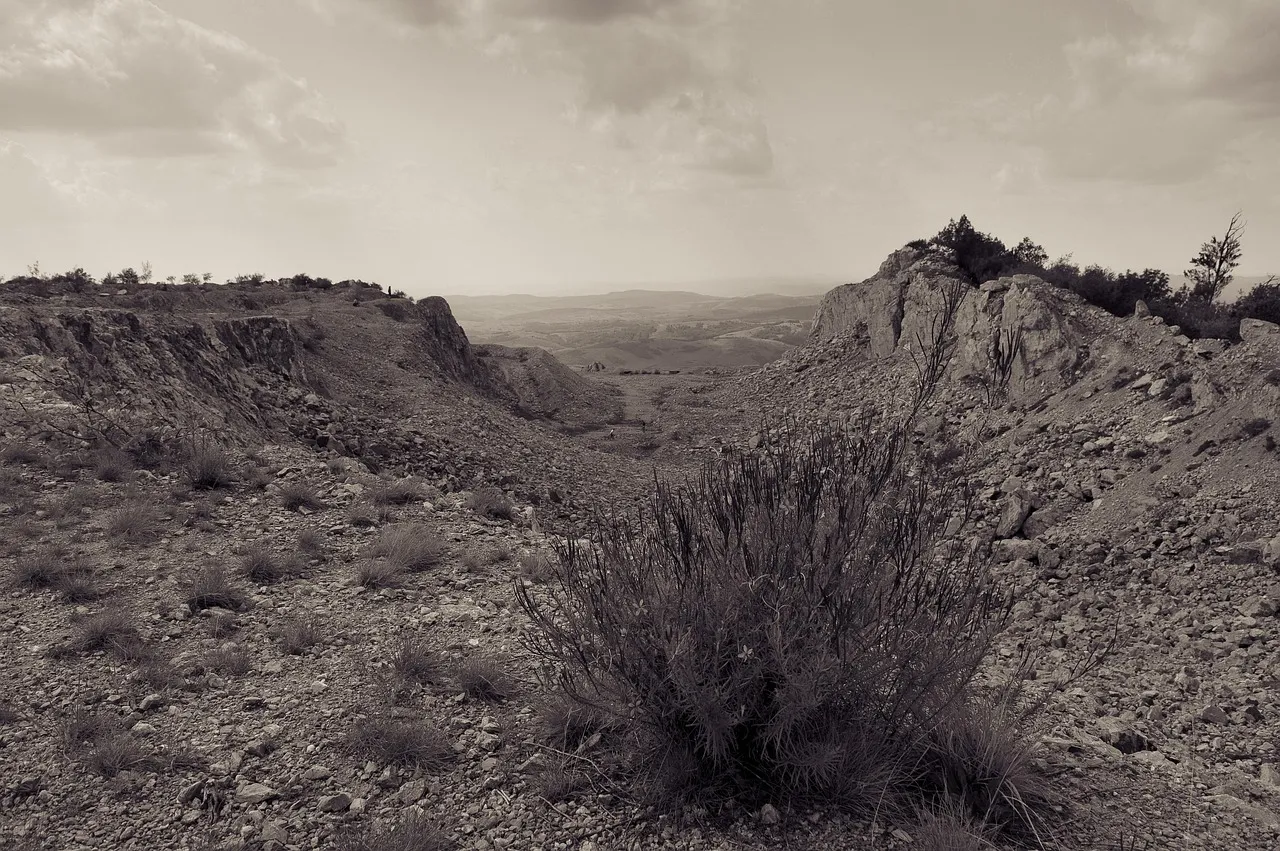
“There are many areas in northern Mali right in the middle of the desert where there is no clinic, no safe drinking water and no toilets. But there are people living there and you shed a few tears when you see the kind of water they are drinking, and the way their children look like ghosts due to severe malnutrition,” a former aid worker, who can only be named Habibatou to protect her identity, said emotionally in an interview with this reporter in the capital Bamako.
Basic services
“People living in such areas duly appreciate the role played by international NGOs because they are providing basic services which are severely lacking due to the absence of the state, and rising armed conflict that has aggravated the situation and made some aid agencies curtail their operations,” she added.
There are 206 humanitarian organisations, including 74 international NGOs providing aid in Mali, according to August 2018 figures from the UN Office for the Coordination of Humanitarian Affairs (OCHA).
“I remember in one village that we once went a four-year-old child was dying of severe malaria and was placed in a mat, and surrounded by the family and neighbours who were waiting for her to die so that they can bury her. They didn’t even bother taking the child to a healthcare centre outside the village because they believed that the imams would heal her by reading the Quran and praying.

“Prayer is good and reading the Quran for a sick person is okay but it has to be accompanied by medical care. When we got to that place, the village chief told us the story of that child and we rushed to the scene and put the child under intensive medical care and stayed for a few days until she recovered. From that day on, villagers started to believe that the presence of aid workers is inevitable and indispensable.”
Security challenges
However, despite a good job providing aid and saving lives, Habibatou said the biggest challenge facing aid agencies and their staff in Mali was security, which has forced some agencies to suspend their operations and could even lead to some withdrawing altogether in the longer term.
OCHA said if the humanitarian organisations had to largely suspend their interventions, the current humanitarian situation could rapidly turn into a chaotic disaster.
Making such a move will impact negatively on the populations living in these zones and who depend on humanitarian aid to survive, the International Committee for the Red Cross (ICRC) said.
“Many places are dangerous and almost impossible to reach because they are being watched with an eagle’s eye by armed groups, who man checkpoints and control all the entry and exit movements. It is almost impossible to tell how many armed groups are currently operating in northern and central Mali because it seems as if every day a few guys are creating their own group by recruiting disgruntled youths by brainwashing them,” she explained.
“In other places, aid workers are only accepted if they could understand the local language or are known to one of the notables. I firmly believe that most of the people living deep down there do not think like us. This means you have to be very patient with them and talk to them nicely, kind of negotiate with them before you enter and provide help if even if it is for their own good. This job is not for the faint-hearted.
“The other challenge lies in the constant movements of Nomads, who move from one place to the other in the search for water and food for their livestock. They carry with them their sicknesses, their thirst and hunger and that really makes you, as a dedicated aid worker, feel very sad that you cannot do anything for them when you don’t find them the following day.,” she concluded.










Leave a Reply